Music
British music has a rich and diverse history, spanning centuries
and influencing genres around the world. The British Isles has
been a major music producer, drawing inspiration from church
music and traditional folk music.
Each of the four countries of the United Kingdom has its own
diverse and distinctive folk music forms, which flourished until the
era of industrialisation when they began to be replaced by new
forms of popular music, including music hall and brass bands.
The UK has birthed many popular music genres such as beat
music, psychedelic music, progressive rock/pop, heavy metal,
new wave, and industrial music.
Pop music, a term which originated in Britain in the mid-1950s as
a description for "rock and roll and the new youth music styles that
it influenced" was developed by British artists like the Beatles and
the Rolling Stones, whom among other British musicians led rock
and roll's transition into rock music.
Historical Roots
The earliest recorded music in the British Isles was a mix of sacred and secular tunes, ranging from church music to folk songs. During the 16th and 17th centuries, England produced notable composers like John Dowland, Thomas Morley, Thomas Tallis, and William Byrd. The Baroque era saw the rise of composers such as Henry Purcell and George Frideric Handel, who remain influential figures in classical music.•
Folk Music:
Traditional British folk music has deep roots, with regional variations across England, Scotland, Wales, and Northern Ireland. Instruments like the fiddle, accordion, and bagpipes are commonly used. Folk music often includes ballads and dance tunes. The British folk revival in the 20th century helped to keep these traditions alive and relevant•
Classical Music:
Britain has produced notable classical composers such as Henry Purcell, Sir Edward Elgar, Ralph Vaughan Williams, Gustav Holst and Benjamin Britten. In 1813 the London Philharmonic Society was established, which played an important role in the development of musical life in the Kingdom. Musical training was placed on a newly professional footing by the creation in 1822 of the Royal Academy of Music. The BBC Proms, an annual eight-week summer season of daily orchestral classical music concerts, held at the Royal Albert Hall in London, is a major event in the British classical music calendar. It has been organised since 1927 and culminates in the Last night of the Proms, an wonderful celebration of Britishness. Other cities such as Birmingham in the Midlands host world class prom concerts at Symphony Hall, in the International Convention Centre. Prom is short for promenade concert, a term which originally referred to outdoor concerts in London's pleasure gardens, where the audience was free to stroll around while the orchestra was playing.Modern Popular Music
•
The British Invasion:
In the 1960s, British bands like The Beatles, The Rolling Stones and The Who gained massive popularity in the United States, profoundly influencing rock and roll and popular music globally. British rock bands gained international fame and influence and subsequent decades brought global recognition to artists like Deep Purple, Led Zeppelin, Elton John, Queen and Pink Floyd•
Punk Rock:
The 1970s saw the rise of punk rock with bands like The Sex Pistols and The Clash, which were known for their rebellious attitude and influence on fashion and culture.•
New Wave and Synth-Pop:
The late 1970s and early 1980s introduced new wave and synth-pop, with bands like Depeche Mode, Duran Duran, and The Human League leading the way.•
Britpop:
The 1990s brought Britpop, characterised by bands like Oasis, Blur and Pulp. This movement celebrated British culture and served as a counter to the American grunge scene.•
Electronic and Dance Music:
Britain has been a significant force in the development of electronic music genres like drum and bass, garage, dubstep and house, with artists like The Prodigy, Massive Attack, and Chemical Brothers.Contemporary Scene
•
Indie and Alternative:
The 2000s and 2010s saw the rise of indie and alternative rock bands such as Arctic Monkeys, Coldplay, and Radiohead, who have achieved global success.•
Pop Music:
British pop continues to thrive with artists like Adele, Ed Sheeran, and Dua Lipa dominating charts worldwide.•
Grime and Hip-Hop:
Grime, a genre that emerged in the early 2000s from London, blends electronic music and UK garage with hip-hop influences. Artists like Stormzy, Skepta, and Dizzee Rascal are prominent figures in this scene.Cultural Impact
British music has not only influenced global music trends but has also been a vehicle for cultural and social expression. From the countercultural messages of punk to the socially conscious lyrics of grime, British music often reflects and critiques society. British music continues to evolve, with new artists and genres emerging, ensuring that the UK remains a significant player on the global music stage. Whether it’s classical, folk, or modern pop and rock, British music has left an indelible mark on the world’s cultural landscape.Notable Venues and Festivals
• Glastonbury Festival: One of the largest and most famous music festivals in the world, featuring a wide range of genres. • The Royal Albert Hall: A historic venue hosting events from classical concerts to rock shows. • Wembley Stadium: London - England’s National football stadium. • O2 Arena: The Millennium Dome large-scale arena in London. • Co-op Live: An indoor arena in Manchester, England • Isle of Wight Festival: Takes place annually in Newport on the Isle of Wight, England. In summary, British music is a tapestry of various genres and movements, each contributing to its rich legacy and ongoing influence in the global music scene.Music in pubs
Music in British pubs is a lively and integral part of the pub culture. Some pubs still have jukeboxes although these are rarely seen being replaced by music systems where the bar staff choose the music. Many pubs offer live music sessions with local bands or singers - sometimes on regular and permanent stages and in the summer months sometimes in the pub garden.Traditional Folk Music Sessions:
Many British pubs host regular folk music sessions where local musicians gather to play traditional tunes. These sessions often feature acoustic instruments like fiddles, accordions, and guitars. One charming example is the Bell at Chittlehampton in Devon, where musicians extend a warm welcome to anyone who wants to join in.Pub Songs and Playlists:
Pubs often play a mix of classic and contemporary songs. You’ll find everything from old sea shanties to modern hits. Online music services even offer playlists like the “Ultimate British Pub Songs” and “Pub Songs: Best Music To Play At Every Pub & Bar” that capture the pub music vibe.Sheet Music and Tunes:
If you’re interested in playing or learning traditional pub tunes, websites like Traditional Music provide sheet music, chords, and MIDI tracks for over 260 English pub session tunes.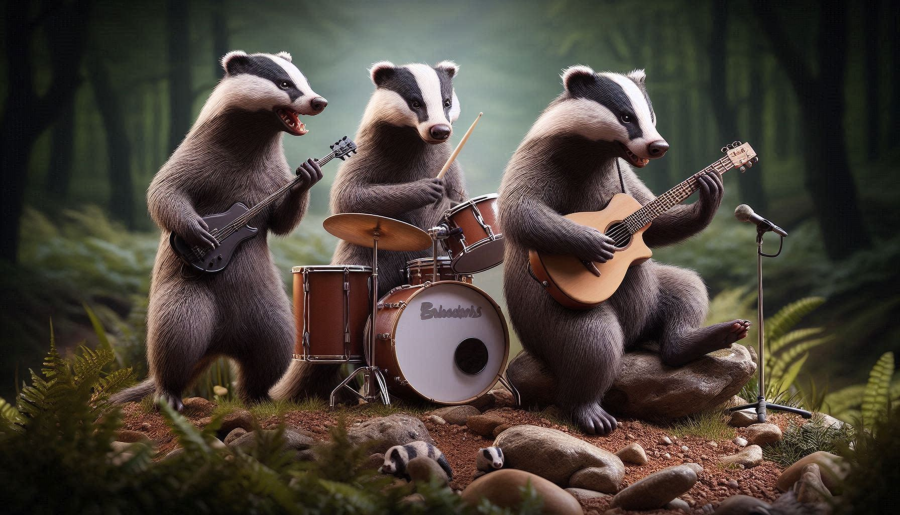


 Pubs
 Open Map in New Window
 England
 Scotland
 Wales
 Ireland
 County Map
 About Britain
 Pubs
 British Beer
 Perfect Pint
 Beer Glasses
 The Barren Years
 Real Fires
 Breweries
 Brewing
 British Food
 Recipes
 Pub Interiors
 Dog Friendly
 Pub Games
 Strange Pub Names
 Visitor Information
 Oldest Pub
 Pub Signs
 Micropubs
 Buildings
 Cathedrals
 Stately Homes
 Castles
 Listed Buildings
 Scheduled Monuments
 Oak Framing
 Architecture
 Thatching
 Waterways
 Sailing
 Shipbuilding
 Boatbuilding
 Shipping Forecast
 Britain's Coastline
 Coastal Locations
 Piers
 Lighthouses
 Harbours
 Beach Safety
 British Beaches
 Canals
 Rivers
 Islands
 Lakes
 Waterfalls
 Historical
 Famous People
 Kings & Queens
 Kings of England
 History of Britain
 Industrial Revolution
 Act of Union
 Beaufort Scale
 British Firsts
 World Heritage Sites
 Historical Periods
 Historical Boundaries
 Tradition & Culture
 Morris Dancing
 Film & Television
 Television
 Calendar of Events
 British Sport
 Scottish Highlands
 Money
 Dry Stone Walling
 British Wildlife
 Class System
 Geographical
 Pub Boundaries
 Facts 'n' Figures
 British Isles
 Other Areas
 Place Name Origins
 Topography
 Suggest an Inn
 Explanation of symbols
 Why Us?
 Places to Visit
 Long Distance Paths
 National Parks
 Areas of Outstanding Natural Beauty
 Coastal Locations
 Other areas of Britain
 Maps
 Our Favourite Locations
 Search
 Focus On...
 News
 Contact
 About Us
 Our History
 Donate
