The Potteries
"The Potteries" is the nickname for the area around Stoke-on-Trent, a city in Staffordshire, England,
which has been the centre of the British ceramics industry for centuries.
The area became famous for its pottery production during the 17th century, and by the 18th and 19th
centuries, it was home to some of the world's most renowned pottery manufacturers, including
Wedgwood, Royal Doulton, Spode, and Minton.
It is unique in being a polycentric city, made up of six towns: Stoke, Hanley, Burslem, Tunstall,
Longton, and Fenton. The city played a major role in the Industrial Revolution and is still associated
with world-famous pottery brands.
Stoke and the surrounding areas still make their own local delicacy of Staffordshire Oatcakes.
History and Industrial Heritage
17th-19th Century:
The area became a major hub for pottery due to its rich deposits of clay and coal. Early potters produced earthenware and stoneware, later refining techniques to create bone china and fine porcelain. Josiah Wedgwood (1730-1795) pioneered industrial-scale pottery production and introduced creamware and Jasperware, which became hugely popular. Bottle kilns, a distinctive feature of The Potteries, were used to fire ceramics. Thousands once dotted the skyline, but only a few remain as historical landmarks. Reginald Mitchell, the designer of the Spitfire aircraft, which saw much success in the second world war was born in Talke.Industrial Decline:
The 20th century saw a decline in pottery production due to competition from abroad, though the city still retains a strong ceramics industry.Modern Stoke-on-Trent
Pottery Industry:
While many factories have closed, pottery remains a key part of the city's identity. Modern companies such as Emma Bridgewater and Portmeirion keep the tradition alive.Tourism & Museums:
• Gladstone Pottery Museum – A preserved Victorian pottery factory showcasing traditional ceramic-making techniques. • Potteries Museum & Art Gallery – Home to fine ceramics and the famous Staffordshire Hoard, the largest collection of Anglo-Saxon gold ever found. • World of Wedgwood – A museum and visitor centre celebrating the history of the Wedgwood brand.Culture & Sports:
• The city has a strong football culture, with Stoke City FC (England's second oldest professional club) and Port Vale FC (based in Burslem). o Sir Stanley Matthews, born in Hanley is the only footballer knighted whilst still playing in the top division in England and at 42 years old, the oldest player to represent England. • The Regent Theatre and Victoria Hall in Hanley offer live performances, from West End shows to concerts.Regeneration:
The city has undergone redevelopment in recent years, with investments in infrastructure, shopping centres and cultural attractions.Landmarks
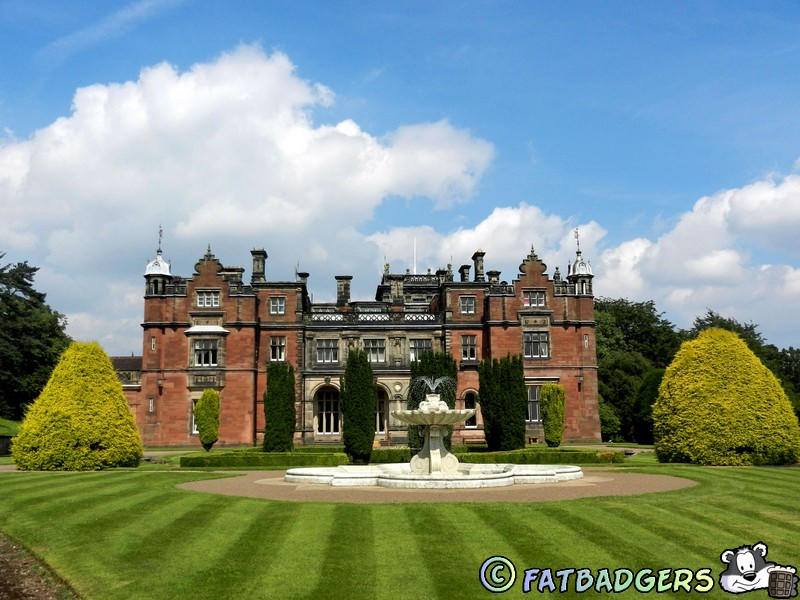
• Trentham Gardens & Monkey Forest – A popular outdoor attraction with landscaped gardens and free-roaming Barbary macaques. • The Wedgwood Estate – Featuring a museum, factory tours, and pottery-making workshops. • The Staffordshire & Worcestershire Canal – Historically used to transport pottery goods, now a scenic waterway for narrowboat enthusiasts.Key Aspects of The Potteries:
1. Industrial and Historical Importance
• The region became a hub for pottery due to the availability of local clay, coal, and salt, essential materials for ceramics production. • The Industrial Revolution brought innovations in manufacturing, including the use of steam power and improved kiln designs. • Pioneering potters such as Josiah Wedgwood revolutionised the industry with techniques like creamware and Jasperware, which gained popularity across Europe.2. Famous Potteries and Innovations
•
1. Wedgwood (Founded 1759)
Founder: Josiah Wedgwood, often called the "Father of English Pottery." Famous For: Jasperware (blue-and-white neoclassical ceramics), Queen’s Ware (cream-colored earthenware), and fine bone china. Legacy: Known for high-quality craftsmanship and royal commissions. The World of Wedgwood museum and factory tour is a major attraction. Status: Now part of Fiskars Group but still produces fine pottery in Stoke-on-Trent.•
2. Royal Doulton (Founded 1815)
Founder: John Doulton. Famous For: Fine china, figurines, and character jugs. It was a leading producer of luxury ceramics. Legacy: Gained a Royal Warrant in 1901 and became one of Britain's most prestigious pottery brands. Status: Now owned by Fiskars Group and much of its production has moved abroad, but its legacy remains strong.•
3. Spode (Founded 1770)
Founder: Josiah Spode. Famous For: Developing bone china, a fine, durable porcelain that became a British staple. Also known for Blue Italian tableware (blue-and-white transferware). Legacy: A key innovator in ceramics, Spode’s techniques are still used today. Status: Now part of Portmeirion Group, which keeps the brand alive.•
4. Minton (Founded 1793)
Founder: Thomas Minton. Famous For: Fine porcelain, Majolica ware (brightly glazed ceramics), and Sevres-style luxury china. Legacy: Known for its decorative and architectural ceramics, including tiles for famous buildings. Status: Now owned by Royal Doulton, but production has largely ceased.•
5. Portmeirion (Founded 1960)
Founder: Susan Williams-Ellis. Famous For: The Botanic Garden range, featuring floral designs. Also produces Spode and Royal Worcester ceramics. Legacy: One of the last major British-owned pottery companies still based in Stoke-on-Trent. Status: Thriving, with its headquarters and factory still in the city.•
6. Emma Bridgewater (Founded 1985)
Founder: Emma Bridgewater. Famous For: Hand-decorated earthenware with nostalgic, polka dot, and floral designs. Legacy: A relatively new company, but it has revived traditional Stoke-on-Trent pottery techniques. Status: Still independently owned and manufactures all its ceramics in Stoke-on-Trent.•
7. Burleigh (Founded 1851)
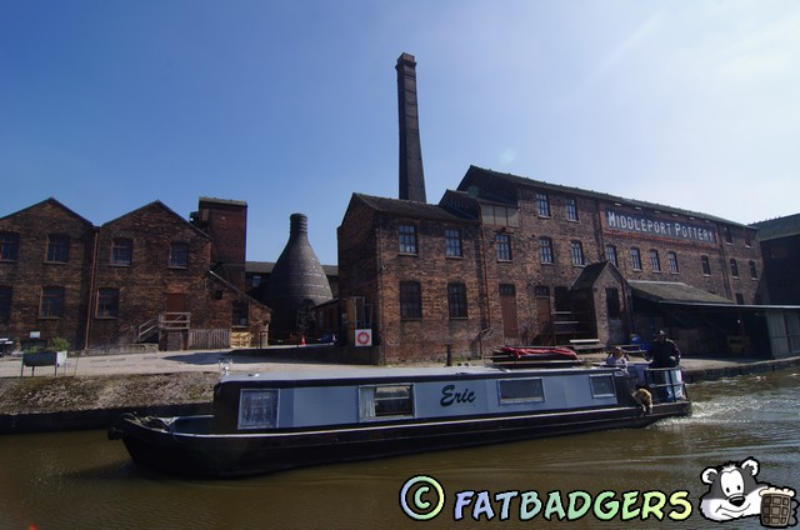
Founder: Burgess & Leigh. Famous For: Traditional blue-and-white transferware, such as Calico and Asiatic Pheasants patterns. Legacy: One of the few companies still using historic underglaze transfer printing. Status: Now owned by Denby Pottery but still operating from Middleport Pottery, a working Victorian pottery factory and museum.Other Notable Potteries
Royal Worcester – Famous for fine bone china, now produced by Portmeirion. Moorcroft – Specializes in hand-painted, tube-lined art pottery. Duchess China – One of the last remaining fine bone china manufacturers in the UK.3. The Bottle Kilns
• A defining feature of The Potteries was the distinctive bottle kilns, used to fire ceramics. At its peak, Stoke-on-Trent had over 2,000 of these kilns. • Due to pollution and changes in production methods, most have disappeared, but some remain as historic landmarks.4. Decline and Modern Revival
• The British ceramics industry faced a decline in the late 20th century due to overseas competition and changing consumer trends. • However, Stoke-on-Trent remains a centre for pottery production, with companies like Wedgwood and Emma Bridgewater continuing traditional craftsmanship. • The city has embraced its heritage with attractions like the Gladstone Pottery Museum, the Potteries Museum & Art Gallery, and ongoing pottery workshops.


 Pubs
 Open Map in New Window
 England
 Scotland
 Wales
 Ireland
 County Map
 About Britain
 Pubs
 British Beer
 Perfect Pint
 Beer Glasses
 The Barren Years
 Real Fires
 Breweries
 Brewing
 British Food
 Recipes
 Pub Interiors
 Dog Friendly
 Pub Games
 Strange Pub Names
 Visitor Information
 Oldest Pub
 Pub Signs
 Micropubs
 Buildings
 Cathedrals
 Stately Homes
 Castles
 Listed Buildings
 Scheduled Monuments
 Oak Framing
 Architecture
 Thatching
 Waterways
 Sailing
 Shipbuilding
 Boatbuilding
 Shipping Forecast
 Britain's Coastline
 Coastal Locations
 Piers
 Lighthouses
 Harbours
 Beach Safety
 British Beaches
 Canals
 Rivers
 Islands
 Lakes
 Waterfalls
 Historical
 Famous People
 Kings & Queens
 Kings of England
 History of Britain
 Industrial Revolution
 Act of Union
 Beaufort Scale
 British Firsts
 World Heritage Sites
 Historical Periods
 Historical Boundaries
 Tradition & Culture
 Morris Dancing
 Film & Television
 Television
 Calendar of Events
 British Sport
 Scottish Highlands
 Money
 Dry Stone Walling
 British Wildlife
 Class System
 Geographical
 Pub Boundaries
 Facts 'n' Figures
 British Isles
 Other Areas
 Place Name Origins
 Topography
 Suggest an Inn
 Explanation of symbols
 Why Us?
 Places to Visit
 Long Distance Paths
 National Parks
 Areas of Outstanding Natural Beauty
 Coastal Locations
 Other areas of Britain
 Maps
 Our Favourite Locations
 Search
 Focus On...
 News
 Contact
 About Us
 Our History
 Donate

