The history of British pubs is a rich and fascinating journey through centuries of culture, community, and tradition.
UK Pub History
British pubs, short for "public houses" have evolved from ancient
alehouses through the ages to the modern-day social institutions they are
today. The number of pubs in the UK has been steadily declining over the
past few decades, but as of recent estimates, there are approximately
39,000 pubs operating in the UK.
Due to climate change, nobody in Britain was drinking ale 50 million years
ago as it was about 15 degrees warmer than it is now and lager hadn’t
been invented, or cider so everybody had to make do with water.
Once it had cooled down a bit the Romans came to Britain for their
holidays and everybody likes a drink when they’re on holiday. It is
believed (by us) that customs wouldn’t allow Peroni in even though it
hadn’t been invented so they probably used our hops to brew their own
beer, but nobody brought mama’s recipe book and bubbles weren’t readily
available back then.
Visitors to the UK will find a variety of different beers available to match
the variety of different pubs. Many other drinks are also available.
Historical Trend:
Peak in the 20th Century:
In the early and mid-20th century, there were around 60,000–70,000 pubs across the UK.Decline:
The number of pubs has been declining since the 1970s, with changes in social habits, the rise of alternative entertainment, and stricter alcohol regulations contributing to the decrease.Recent Trends:
In the 2020s, the pub industry faced additional challenges due to the COVID-19 pandemic, rising operational costs, and changing consumer preferences, which led to the closure of many establishments. Some have chosen to create their own pubs in the back garden.Early Origins: Roman Taverns to Saxon Alehouses
Roman Taverns:
The concept of the pub in Britain dates back to the Roman period. When the Romans invaded Britain in 43 AD, they introduced their network of roads and built inns or tabernae along them to provide food, drink, and shelter to travellers and soldiers. These establishments were the precursors to British pubs.Saxon Alehouses (5th–11th centuries):
After the fall of the Roman Empire, the idea of local drinking establishments continued to develop. During the Saxon period, alehouses began appearing in villages. These alehouses were typically rooms in private homes where surplus ale brewed by the household was sold to the public. Ale was a staple of the diet, safer to drink than water, and was often brewed by women, known as "alewives."Medieval Taverns, Inns, and the Rise of the Pub (11th–15th
centuries)
Taverns and Inns:
By the 12th century, taverns and inns became common across towns and cities. Taverns were places where wine was served, often frequented by merchants and travellers, while inns offered accommodation along with ale and food. Unlike the domestic alehouses, taverns and inns were more organised establishments that catered to the growing trade and travel networks in medieval England. The oldest building still standing in Britain is believed to be St Martin’s Church in Canterbury, Kent which dates back to the 7th century. It is Grade I listed and part of a UNESCO World Heritage Site, for obvious reasons. There are remains of buildings dating back to Roman times such as the lighthouse in Dover. The Dover Pharos is the most complete standing Roman building in England and anything before this time tends to be just the foundation stones as most buildings were purely timber structures before this. Stone was mostly only used in Castles, Abbeys and Stately Homes, everything else was built in Timber Framing. The Oldest Pub is difficult to pinpoint due to the ever changing nature of Taverns, Inns and Alehouses. Some of the oldest pubs may not have been pubs when they were constructed and some of the longest running licensed premises may have been rebuilt many times.Church Influence:
The medieval Church played an important role in shaping pubs. Many monasteries brewed their own beer and would sell it to the public. Some of the oldest pubs in Britain, like Ye Olde Trip to Jerusalem in Nottingham (dating to around 1189), are said to have origins connected to pilgrimages and religious houses.The Tudor Period and Regulation (16th century)
Licensing Acts:
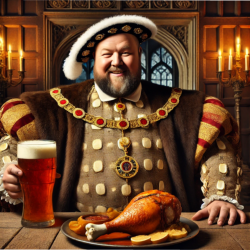
During the Tudor period, the English government began to regulate the sale of alcohol due to concerns over drunkenness and disorder. The first licensing act was passed in 1552, requiring alehouse keepers to have a license from local justices of the peace. This marked the beginning of the modern system of pub regulation.The Public House:
The term "public house" (or pub) began to emerge during this period, distinguishing these licensed premises from private residences. Pubs became more specialised, with some offering food, drink, and lodging to travellers, while others served as local gathering spots for villagers.Pub Signs:
Pubs also started to display signs with symbols or names, often reflecting the local area, the owner’s interests, or notable figures. Names like "The Red Lion," "The King’s Head," and "The Crown" became common. This tradition continues today, with some pub signs still displaying medieval imagery.Georgian and Victorian Eras: The Golden Age of Pubs
(18th–19th centuries)
The Coaching Inn:
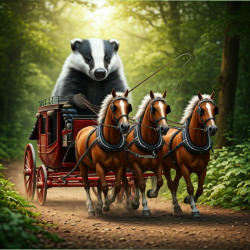
During the Georgian period (18th century), the growth of road travel led to the proliferation of coaching inns along major routes. These inns provided food, drink, and rest for travellers and their horses. The coaching inn was an essential part of the transportation network before the advent of railways.Gin Craze:
In the early 18th century, Britain experienced the infamous Gin Craze, during which gin became wildly popular, especially in urban areas. Gin shops proliferated, leading to a decline in the quality of drinking establishments. To counteract the social problems caused by gin consumption, the government passed the Gin Act of 1751, leading to a resurgence of beer drinking and the growth of pubs.The Victorian Pub:
The Victorian era (19th century) saw the expansion of Britain’s cities during the Industrial Revolution, and with it, the rise of the "proper" pub. Breweries began to take ownership of pubs (the "tied house" system), and pubs were built in grander styles to attract the growing working-class population. Victorian pubs were often ornately decorated, with etched glass, wood panelling, and tiled floors.20th Century: Decline, Reinvention, and Modernization
World Wars and Post-War Era:
Pubs played a vital role during the World Wars, serving as places of community support and solidarity. However, after the Second World War, many traditional pubs faced decline due to changing social habits, the rise of alternative entertainment like cinemas and nightclubs, and increased government regulation.Pub Chains:
The late 20th century saw the rise of pub chains, where large companies like Wetherspoon’s began operating numerous pubs under one brand. This shift led to a more standardised experience, but also helped save many old pubs by investing in renovations and keeping the pub culture alive. Unfortunately it also led to a huge number of bland pubs running with the same tired layouts and with some pubco’s having little or no care for the customers that used their establishments. This also brought about the demise of traditional real ales and home brew pubs that couldn’t afford to compete against the multi nationals.The Gastropub:
In the 1990s, the concept of the gastropub emerged, combining the traditional pub atmosphere with high-quality food. Gastropubs became popular as people sought a more sophisticated dining experience within the informal setting of a pub. This trend helped revitalize the pub industry and attracted a new generation of patrons.Present Day: The Role of the Pub in
British Society
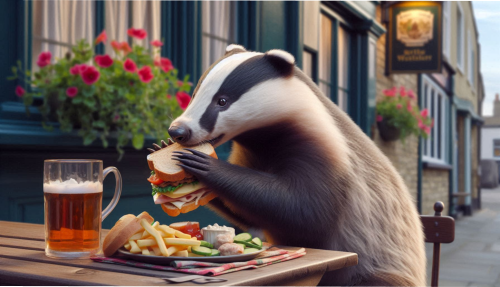
Today, pubs remain an integral part of British culture, serving as places for socializing, eating, and drinking. They play a key role in local communities, offering a space for people to gather, relax, and converse. However, modern pubs face challenges such as competition from supermarkets, rising costs, and changing social behaviours. Despite these pressures, the pub continues to evolve, embracing trends like craft beer, live music, and food festivals while holding onto its historic roots. The history of British pubs is a story of resilience and adaptation. From Roman taverns to Victorian inns, and from alehouses to modern gastropubs, these establishments have long served as social hubs, cultural landmarks, and places of hospitality. Whether you’re enjoying a pint in a centuries-old inn or a contemporary city pub, the rich heritage of British pubs is woven into every corner of the UK.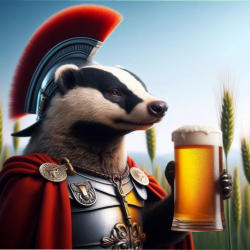






 Pubs
Pubs Open Map in New Window
 England
 Scotland
 Wales
Wales Ireland
 County Map
 About Britain
 Pubs
Pubs British Beer
 Perfect Pint
 Beer Glasses
 The Barren Years
 Real Fires
 Breweries
 Brewing
 British Food
 Recipes
 Pub Interiors
 Dog Friendly
 Pub Games
 Strange Pub Names
 Visitor Information
 Oldest Pub
 Pub Signs
 Micropubs
 Buildings
 Cathedrals
 Stately Homes
 Castles
 Listed Buildings
 Scheduled Monuments
 Oak Framing
 Architecture
 Thatching
 Waterways
 Sailing
 Shipbuilding
 Boatbuilding
  Shipping Forecast
 Britain's Coastline
 Coastal Locations
 Piers
Piers Lighthouses
 Harbours
 Beach Safety
 British Beaches
 Canals
 Rivers
 Islands
 Lakes
Lakes Waterfalls
 Historical
 Famous People
 Kings & Queens
 Kings of England
 History of Britain
 Industrial Revolution
 Act of Union
 Beaufort Scale
 British Firsts
 World Heritage Sites
 Historical Periods
 Historical Boundaries
 Tradition & Culture
 Morris Dancing
 Film & Television
 Television
 Calendar of Events
 British Sport
 Scottish Highlands
 Money
Money Dry Stone Walling
 British Wildlife
 Class System
 Geographical
 Pub Boundaries
 Facts 'n' Figures
 British Isles
 Other Areas
 Place Name Origins
 Topography
 Suggest an Inn
 Explanation of symbols
 Why Us?
 Places to Visit
 Long Distance Paths
 National Parks
 Areas of Outstanding Natural Beauty
 Coastal Locations
 Other areas of Britain
 Maps
Maps Our Favourite Locations
 Search
 Focus On...
 News
News Contact
 About Us
 Our History
 Donate